
frosted glass wall panels
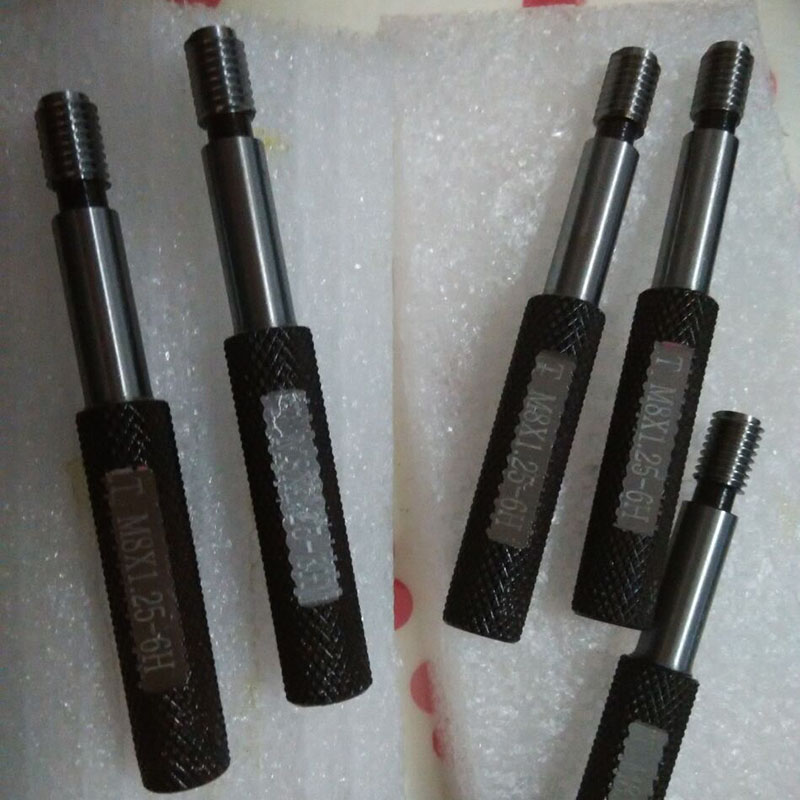
Using a Thread Gauge An Essential Tool for Precision Measurement In various fields of engineering, manufacturing, and construction, precise measurements are paramount. One of the indispensable tools to achieve this accuracy is the thread gauge. This instrument is essential for anyone who works with threaded components, as it aids in verifying the size and pitch of threads. In this article, we will explore what a thread gauge is, the types available, and how to effectively use it. Understanding Thread Gauges A thread gauge, also known as a thread pitch gauge, is a tool designed to measure the pitch and diameter of screw threads. It consists of a series of metal plates or blades, each featuring different thread profiles. These profiles correspond to various standard thread patterns, allowing users to identify the thread type and size quickly. There are two primary types of thread gauges the pitch gauge and the screw gauge. The pitch gauge typically features blades with cutouts that represent different pitches (the distance between the threads), while a screw gauge comes with a set of fixed sizes that can be matched against the thread to identify its dimensions. The Importance of Using a Thread Gauge Using a thread gauge is crucial for multiple reasons. Firstly, it ensures compatibility between threaded components. When assembling machinery or structures, components must fit together perfectly to avoid malfunctions. An incorrect thread size can lead to issues such as stripped threads, misalignment, or even catastrophic failure under load. Secondly, a thread gauge helps maintain quality control in manufacturing. By regularly checking the dimensions of threaded components, manufacturers can ensure that they consistently produce parts that meet industry standards and specifications. This attention to detail not only boosts product reliability but also enhances safety for end-users. How to Use a Thread Gauge using a thread gauge Using a thread gauge is a straightforward process, but precision is key. Here are the steps to effectively use a thread gauge 1. Clean the Thread Before measuring, ensure that the threaded surface is clean and free of debris. Dirt or corrosion can affect the accuracy of your measurements. 2. Select the Appropriate Blade Take the thread gauge and select a blade that you believe matches the thread pitch of the component you are measuring. If unsure, it’s advisable to try several blades until you find one that fits snugly. 3. Fit the Gauge Gently insert the selected blade into the threads of the component. It should slide in easily but fit tightly without any gaps. If it fits perfectly, you have identified the correct pitch. 4. Read the Measurement Once you have determined the right blade, read the measurement marked on it. This will indicate the thread pitch (e.g., 1.0 mm, 1.5 mm) and can also assist in identifying the thread type (e.g., metric, UNC, UNF). 5. Check for Diameter If necessary, use a screw gauge to measure the diameter of the thread for a complete assessment. Matching both pitch and diameter ensures accurate identification of the thread specification. Conclusion In conclusion, a thread gauge is a vital tool for anyone involved in works that require threaded components. Its ability to quickly and accurately measure thread pitch and diameter plays a critical role in ensuring compatibility and maintaining quality standards. By following the correct procedures for using a thread gauge, users can enhance their workmanship and contribute to the overall efficacy of their projects. Whether you are a seasoned professional or a hobbyist, incorporating a thread gauge into your toolkit can make a significant difference in the precision of your work.
about
frosted glass wall panels
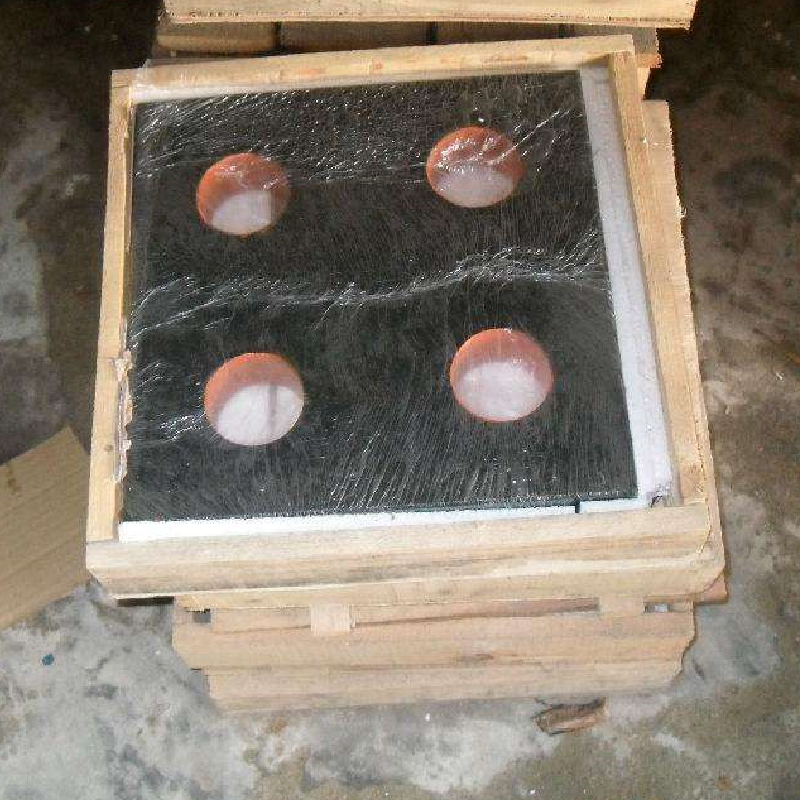
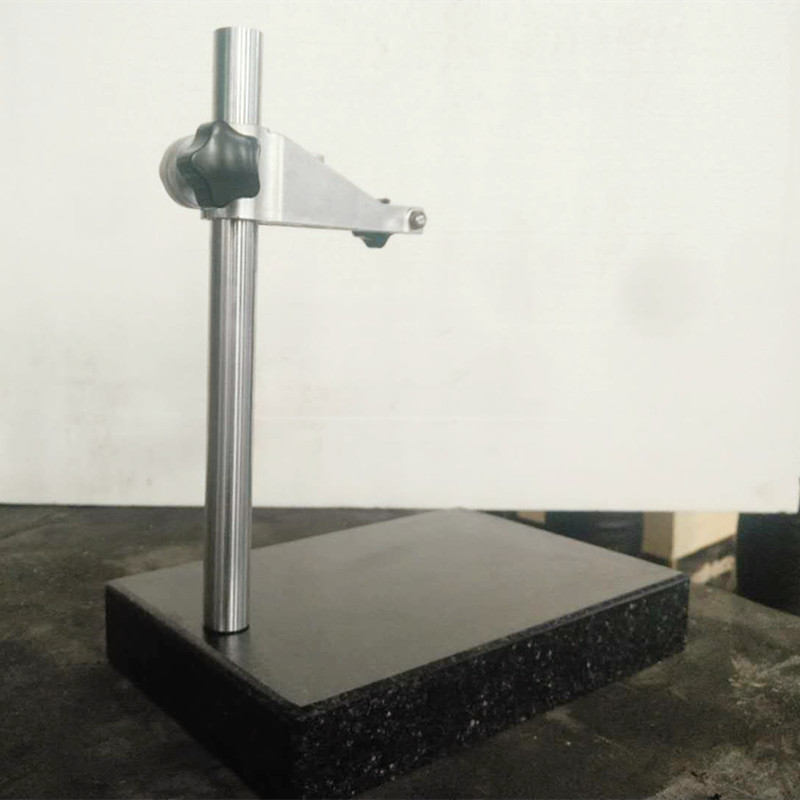
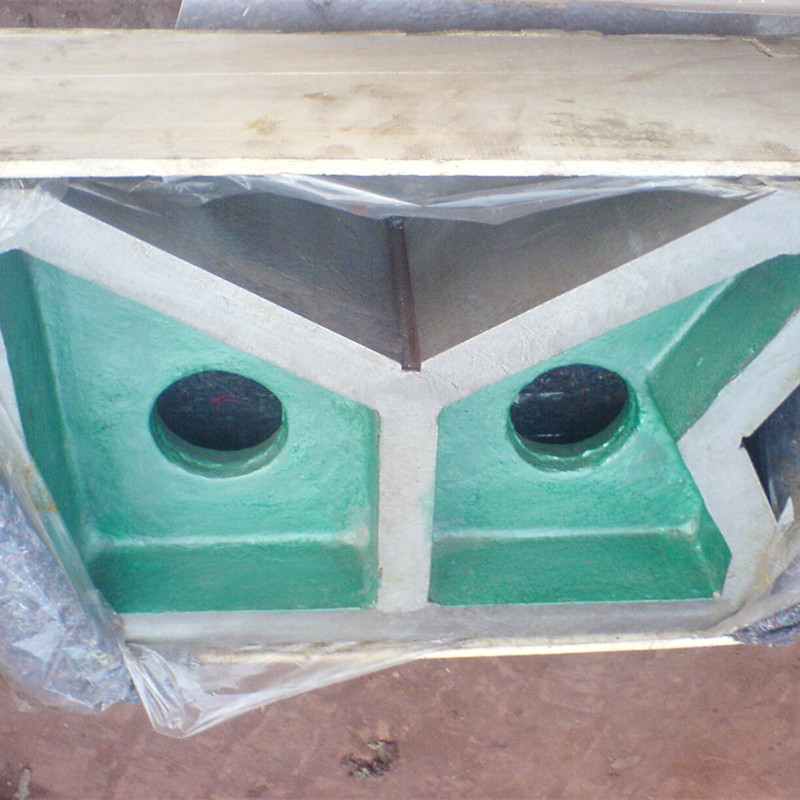
When it comes to working with stone, whether it's for construction, art, or industry, the right tools are essential. Tools like the square marble box , marble ruler , block of granite , and flat granite block can make a significant difference in the quality and efficiency of your projects. These materials and tools offer unmatched precision and durability, ensuring that your work will last and perform at the highest level. In this article, we’ll explore these essential tools and how they can benefit your projects, from the smallest scale to large industrial uses. Square Marble Box: A Tool for Precision The square marble box is an indispensable tool for those requiring precise measurements and high stability. Made from high-quality marble, these boxes are known for their durability and accuracy in measurement. In industries such as metrology, engineering, and even art, a square marble box ensures that every project is built with precision, offering a stable surface for measurements that are critical for creating exact specifications. These boxes are made from finely processed marble, a material chosen for its consistency and resistance to deformation. The square marble box is especially valued in environments where vibration or minor shifts could compromise the integrity of measurements. Thanks to its smooth, level surface, the box provides an ideal base for delicate instruments and tools. The material’s natural qualities—such as its resistance to corrosion and wear—ensure that these boxes will remain reliable over time, providing you with dependable accuracy no matter the conditions. In industries such as machining, manufacturing, and precision engineering, square marble boxes are an essential item for ensuring the longevity and performance of other tools and machinery. For those looking for both beauty and function, this tool offers both. Marble Ruler: Accuracy at Your Fingertips A marble ruler is another key instrument in any professional's toolkit. These rulers are typically made from high-grade marble and are prized for their exceptional flatness and smooth texture. Ideal for precision work, the marble ruler is used in fields like sculpture, architecture, and mechanical engineering, where exact measurements are critical. The advantage of a marble ruler lies in the material’s stability and resistance to wear. Marble, unlike other materials, does not easily deform under pressure or temperature changes, meaning that your measurements will remain accurate for much longer. Whether you're measuring parts for a machine, setting dimensions for a new architectural design, or working on a delicate piece of artwork, a marble ruler provides the high precision you need. The sleek and smooth surface of the marble also ensures that the markings are easy to read and won’t wear off over time, making it a reliable tool for repetitive use. If you're working on a project where accuracy is paramount, investing in a marble ruler will ensure that you get the exact measurements needed to bring your vision to life. Block of Granite: The Foundation of Durability Granite has long been recognized as a superior material for tools and surfaces that require both precision and strength. A block of granite serves as the foundation for many professional tools, including surface plates, workbenches, and measuring instruments. The properties of granite make it ideal for environments where stability and strength are paramount. The block of granite is typically used in manufacturing, machining, and construction projects that require high precision. Its superior hardness ensures that it maintains its shape and dimensions even under significant wear and heavy loads. For those in need of a durable material for measuring, calibration, or machining, a block of granite is the go-to choice. Granite’s resistance to corrosion, wear, and heat makes it a dependable material for creating highly accurate and durable tools and surfaces. When you invest in a block of granite , you’re investing in longevity, precision, and a tool that will stand up to even the toughest tasks. Flat Granite Block: Precision for Every Project The flat granite block is another vital component for those working in the precision industry. These blocks are manufactured to provide a flat, stable surface for tasks such as calibration, inspection, and measurement. Made from the finest granite, the flat granite block is prized for its ability to maintain its shape and accuracy over time, even under extreme pressure and fluctuating temperatures. Ideal for use in metrology labs, precision workshops, and manufacturing plants, a flat granite block ensures that measurements and machine calibrations are carried out with the utmost precision. Its naturally flat surface makes it perfect for verifying the accuracy of other tools and instruments, and its ability to absorb vibrations means that the results you get will be more stable and reliable. Granite’s unique properties—such as its density and hardness—allow a flat granite block to remain unaffected by the wear and tear typical of other materials, ensuring that your work is always done on a reliable surface. With its unmatched stability and durability, the flat granite block will ensure that your projects meet the highest standards of accuracy. FAQs About Marble and Granite Tools What is a square marble box used for? A square marble box is primarily used for providing a stable, precise surface for measuring and calibrating instruments. It is widely used in industries such as engineering and manufacturing to ensure high accuracy in measurements. Why is a marble ruler more accurate than other types of rulers? A marble ruler is known for its excellent flatness and resistance to deformation, which ensures that measurements are accurate even over time and under different environmental conditions. Marble is naturally stable, making it a great choice for precision work. How does a block of granite improve precision? A block of granite provides an extremely stable and flat surface, which is ideal for precise measuring, calibration, and inspection. Its high hardness and resistance to wear make it a durable option for maintaining accuracy over long periods of time. What are the advantages of using a flat granite block? A flat granite block offers superior stability and precision for tasks such as inspecting and calibrating machines. It resists wear and corrosion, ensuring a consistent, flat surface for reliable measurements, even under heavy loads and high temperatures. Where can I purchase high-quality marble and granite tools? You can purchase premium marble and granite tools from specialized suppliers, both online and in-store. Whether you need a square marble box , marble ruler , block of granite , or flat granite block , make sure to buy from reputable manufacturers to ensure the highest quality and precision. If you’re looking for tools that combine durability, precision, and reliability, the square marble box , marble ruler , block of granite , and flat granite block are your go-to solutions. These tools are essential for professionals who demand high-quality equipment that stands the test of time. Visit our website today to explore our selection of marble and granite tools and invest in the tools that will help you achieve perfection in every project.
-

High quality industrial productsagement

High quality industrial products
View Details -

Meet the diverse needs of customers

Meet the diverse needs of customers
View Details -

Strict quality control

Strict quality control
View Details -

Top raw materials

Top raw materials
View Details -

Trusted supplier

Trusted supplier
View Details
Our application


news and information
Valvole a farfalla 18 - Soluzioni di regolazione e controllo fluidi
La valvola a farfalla del 18% è un componente fondamentale in molte applicazioni industriali, specia
Water Supply Control Mechanism for Efficient Valve Shutdown and Management
Understanding Water Valve Shut Off Systems In our daily lives, water is an essential resource, servi
Wood Fence Post Caps Enhance Your Outdoor Space with Stylish and Durable Options for Fencing
The Importance and Aesthetic Appeal of Wood Fence Post Caps Fencing has long been an essential compo
 English